
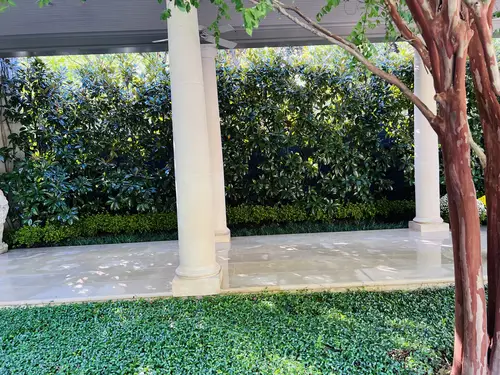
The difference between a "lawn care company came by" yard and a "this homeowner really cares" yard often comes down to one thing: crisp, clean edges. Where your grass meets concrete, brick, mulch beds, or driveway, that transition line tells the whole story. In Dallas, where warm-season grasses grow aggressively from April through October, edging is not optional — it's a weekly or bi-weekly maintenance task.
Why Edging Matters More in North Texas
- Fast growth rates: Bermuda grass can grow 1–2 inches per week in peak summer. Without edging, it invades beds and walks within days.
- St. Augustine stolons: These creeping runners spread laterally and will cross any border if unchecked.
- Heat-stressed edges: Concrete and asphalt radiate heat, creating a microclimate where grass grows even faster right at the edge.
- Curb appeal: Studies show that landscape maintenance (including clean edges) is the #1 factor buyers cite when estimating property value.
Types of Edges You'll Maintain
- Grass to concrete/asphalt: Driveways, sidewalks, patios, pool decks
- Grass to mulch/landscape beds: The most common and most visible edge
- Grass to brick/stone borders: Retaining walls, raised beds, foundation plantings
- Grass to gravel/decomposed granite: Xeriscape transitions, parking areas
Tools & Techniques Compared
1. Edging Shears (Hand Tool)
The classic L-shaped or curved blade tool for precise, manual edging.
- Best for: Short edges (<50 linear feet), intricate curves, around delicate plants
- Technique: Hold the blade at a 45° angle against the border, press down firmly, and drag along the edge. Work in short strokes for clean lines.
- Pros: Zero noise, no fuel, precise control, cheap ($15–30)
- Cons: Labor-intensive, tiring on long edges, requires good technique for clean results
- Frequency: Weekly in peak season for best results
2. String Trimmer (Weed Eater) with Edging Attachment
Using a trimmer head or dedicated edging attachment to cut grass flush with borders.
- Best for: Medium-length edges (50–200 linear feet), grass-to-mulch transitions
- Technique: Hold the trimmer vertically with the string touching the border surface. Walk slowly along the edge, letting the spinning string cut the grass at ground level. Keep the string parallel to the border — don't angle it into the bed.
- Pros: Faster than hand shears, handles thick grass, versatile tool
- Cons: Can damage mulch/soil if not careful, noisy, string gets clogged with thatch
- Tip: Use a sharp, fresh line. Dull or frayed string tears rather than cuts, leaving ragged edges.
3. Gas or Electric Edger (Dedicated)
A purpose-built edger with a rotating blade or chain that cuts a clean vertical groove along the border.
- Best for: Long straight edges (driveways, commercial properties), grass-to-concrete borders
- Technique: Set the depth to 1–2 inches. Run the edger along the border in one smooth pass. The blade cuts a clean vertical wall of soil.
- Pros: Fastest option, creates the sharpest visual edge, minimal skill required
- Cons: Expensive ($200–500+), heavy, overkill for small yards, can damage irrigation lines if run too deep
- Best use case: Properties with 200+ linear feet of edging
4. Spade Shovel (The Underrated Tool)
For grass-to-mulch edges, a sharp spade shovel works surprisingly well.
- Technique: Slide the flat edge of the shovel into the soil at the border, press down, and drag along the edge. This cuts a clean vertical slice without removing soil.
- Best for: Quick touch-ups between full edging sessions, soft soil conditions
Edging Schedule for Dallas
| Season | Frequency | Notes |
|---|---|---|
| April–May | Weekly | Spring growth flush; grass pushing into beds aggressively |
| June–August | Weekly (Bermuda) / Bi-weekly (St. Aug) | Peak growth; Bermuda needs the most attention |
| September–October | Bi-weekly | Growth slowing but still active |
| November–February | Monthly or as needed | Dormant season; minimal maintenance required |
Pro Tips for Cleaner Edges
- Edge after mowing: Mow first, then edge. This prevents clippings from clogging your edging tool and gives you a clearer view of the border.
- Water the day before: Slightly moist soil is easier to cut than bone-dry clay. Avoid edging when soil is saturated (it smears rather than cuts clean).
- Use a straightedge guide: For long straight edges (driveways), lay a 2×4 or level along the border as a visual guide for consistent depth.
- Clean up debris: After edging, rake or blow away the cut grass and soil crumbs from the border. Left behind, they decompose into the mulch bed and create an unsightly brown line.
- Install permanent edging for high-traffic borders: Metal, plastic, or stone edging strips prevent grass from invading in the first place, reducing maintenance to occasional trimming rather than full re-edging.
Weekly & Bi-Weekly Lawn Care in Dallas
Our maintenance plans include professional edging on every visit — sharp, clean lines every time. No more weekend edging marathons.
Get a Maintenance Quote